Enterprise Architecture & Cloud Strategy
Private, public, hybrid, and multi-cloud architectures supporting enterprise transformation, modernization, cloud adoption, AI platforms, and digital innovation.
Principal Solutions Architect & Pre-Sales Technology Advisor
For eighteen years my job has been the same at heart: sit with a business that has a hard, expensive problem, and design the cloud or AI architecture that solves it, in language the people paying for it can follow. Most recently I ran that for Huawei's Etisalat UAE account. I'm now in Sydney, settled, and looking for the next one.
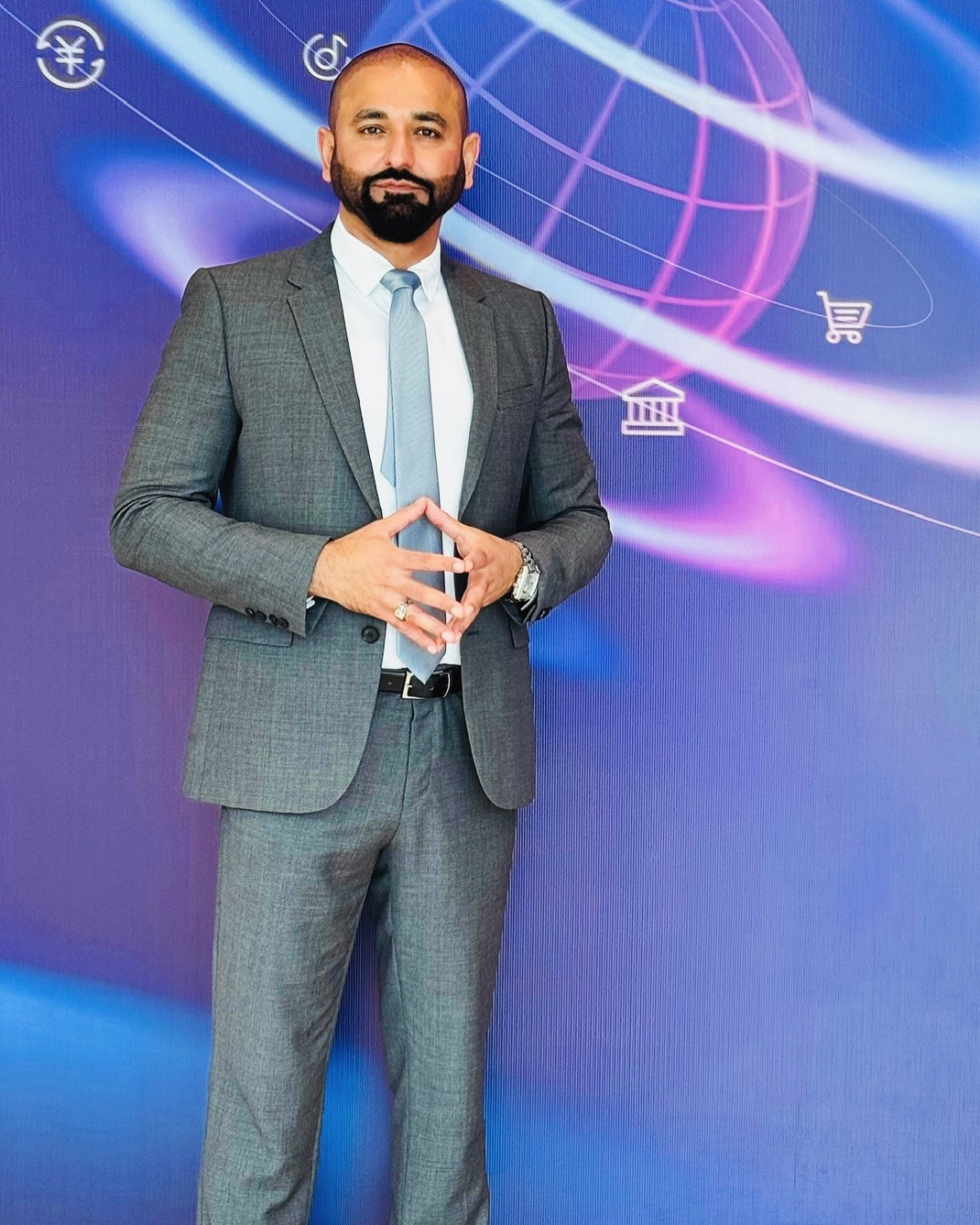
I've spent eighteen years as a solutions architect, and the work has taken me from a network operations floor in Islamabad to Huawei's headquarters in Shenzhen and, most recently, to a strategic telecom account in Abu Dhabi. Along the way I've worked across the Middle East, Africa, Asia-Pacific and Europe, with telecom operators, banks, and governments. The thread running through all of it is the same: I take a complicated business problem and turn it into a cloud or AI architecture that works in production, not just on a slide.
Over those years I've delivered more than 40 end-to-end cloud projects and designed over 80 solutions. A lot of that came through the unglamorous but decisive work of pre-sales, the RFPs, the executive workshops, the proof-of-concepts, where you have to make a room of senior people believe an architecture will actually pay off. I've done that for well over fifty enterprise customers.
Across my career I've architected the cloud and AI solutions behind more than US$25M in strategic deals and pursuits, with telecom the largest share.
The project I'm proudest of is a different kind of work entirely. During the pandemic I was lead solution architect for the GCC rollout of an AI-assisted medical-imaging diagnosis platform, a solution originally developed with Tsinghua University and already proven in production in Chinese hospitals. With a team of fifteen, I localised, architected and delivered it into production for a GCC government AI and health authority, starting with COVID-19 CT screening and later extending it to cardiac, bone-age, pulmonary-nodule and cerebral-aneurysm diagnostics. That project was key evidence in my application under Australia's Global Talent program and contributed to my permanent residency in 2022.
Private, public, hybrid, and multi-cloud architectures supporting enterprise transformation, modernization, cloud adoption, AI platforms, and digital innovation.
Architected and delivered a full-stack AI infrastructure platform on Huawei Ascend NPUs serving DeepSeek and other open-source LLMs through vLLM; led solution architecture for a multi-agent telecom fraud-detection platform using DeepSeek LLM; and prototyped the FinOps/AIOps Cloud Operations Co-Pilot and SkyTaxi AI Copilot.
Kubernetes, Docker, Podman, CI/CD, Terraform, Ansible, SCRUM, Agile, and IaC for microservices modernization and cloud-native migration.
Enterprise Linux, Windows Server, Active Directory, Cisco, Fortinet, cloud security, zero-trust, and backend integration architecture.
REST APIs, API gateways, Istio service mesh, microservices, observability, and platform engineering for enterprise workloads.
Led global solution-architecture teams and mentored architects; ran executive workshops and translated complex technical architecture into clear business value.
When Huawei needed someone to take architectural ownership of its biggest telecom account in the Middle East, they sent me to Abu Dhabi. For a little over a year I led the cloud and AI direction for Etisalat UAE and its sixteen operating companies, the kind of account where one architecture decision ripples across a dozen countries. My job was to set the roadmap, the standards and the governance, and then make sure the work actually landed.
The centrepiece was moving their internal IT off VMware. I led the end-to-end migration of more than a thousand virtual machines onto Huawei Cloud Stack and, more importantly, shifted them from plain virtualisation to a real cloud operating model, self-service provisioning, DevSecOps pipelines, Kubernetes as a service. It cut infrastructure cost by roughly half and improved operational efficiency by about a third. Migration work wasn't limited to one cloud either: I assessed AWS and Microsoft Azure environments, mapped compute, network, storage, database, security and application dependencies, designed the migration approach, and configured and validated connectivity and workload moves hands-on.
Alongside that I got to do the AI work I enjoy most. I architected and delivered a full-stack AI infrastructure platform for e& (Etisalat) on Huawei Ascend NPUs, running open-source LLMs including DeepSeek through vLLM and CANN on bare-metal AI servers. On top of it I designed an agentic use case for network experience assurance, where AI agents simulate real user sessions across streaming, video and gaming, spot quality-of-experience problems, run follow-up tests, correlate the results with network telemetry and hand the NOC a ready-made incident report, while engineers keep the final call on root cause and remediation. I also led the solution architecture for a multi-agent fraud-detection platform that uses DeepSeek on call records to catch SIM-box fraud, and prototyped two GenAI copilots: one for FinOps and AIOps optimisation, and SkyTaxi, for flying-taxi mobility decisions. The rest of the role was the part people forget: standing in front of C-suite stakeholders and explaining, without the jargon, why any of this was worth doing, and leading the architecture, engineering and project teams across concurrent programmes.
This was the stretch where my career really took shape. I joined Huawei's Cloud business unit in 2018, right as the company was reinventing itself from a telecom equipment maker into a full cloud provider. I came in covering telecom and grew into finance, government and enterprise, moving up the ranks as the business itself grew from FusionCloud to Huawei Cloud Stack to a public cloud spanning thirty-plus regions. As the architect based at headquarters, I led architecture, consulting and delivery across private, public, hybrid and multi-cloud environments for customers in the Middle East, Africa, Asia-Pacific and Europe, more than 80 designs and 40-plus projects in all, including the HTG Somalia internal-IT cloud and the Vodafone Qatar network-diagnosis application cloud. I also designed workload migrations across AWS, Azure and Huawei Cloud, doing the configuration, service mapping and dependency analysis hands-on in both source and target environments, and led more than fifty RFI/RFP responses, workshops and proofs of concept for over fifty enterprise customers.
The work was genuinely varied, which is why I loved it. For MTN South Africa I architected a Kubernetes- and Docker-based blockchain platform that improved roaming transaction validation performance by 40%. For Habib Bank Limited in Pakistan I designed a DevOps-driven, cloud-native banking platform on Huawei private cloud, with Kubernetes microservices and Prometheus and Grafana observability, which improved operational efficiency by 30%, increased visibility by 40% and reduced operating costs by 20%.
And then there was the project that changed things for me. During COVID I was lead solution architect for the GCC rollout of an AI-assisted medical-imaging diagnosis platform. It was originally developed with Tsinghua University, trained on more than 530,000 CT images to reach 92.49% diagnostic accuracy, and deployed at Sun Yat-sen Memorial Hospital and Wuhan Jinyintan Hospital. I led a fifteen-person team to localise, architect and deliver it into production for a GCC government AI and health authority, integrating computer vision, deep learning and hospital PACS for COVID-19 CT screening, then extending it to cardiac, bone-age, pulmonary-nodule and cerebral-aneurysm diagnostics. That project was key evidence in my application under Australia's Global Talent program and contributed to my permanent residency in 2022.
Before the cloud business existed in the form I'd later join, I was working in Huawei's IT Product Line on the piece underneath it: OpenStack-based private virtualisation and cloud for telecom workloads. My job was making the case for carrier-grade OpenStack against the incumbents, VMware and Red Hat OpenStack.
It took me around the world. As an HQ solution architect I owned end-to-end architecture for carrier-grade NFVI and private-cloud opportunities with operators like Vodafone Group, MTN South Africa, Telefónica Group and Etisalat Group, turning requirements into capacity models, HLD and LLD, technical proposals, competitive positioning and solution validation. I led the solution architecture for Vodafone Romania and Vodafone Egypt, contributing directly to the wins and the delivery that followed. When Huawei established its Cloud BU in 2017, I followed that thread into enterprise cloud and moved across to the Cloud BU in May 2018.
ZTE is where I spent my twenties and grew up as an engineer. I started on the hardware, L2 switches and L3 routers, testing systems, then became Telecom VAS Product Manager and owned the product lifecycle for IPTV, SMS, MMS and SDP. When ZTE began building OpenStack-based virtualisation for its VDI and private-cloud products, I moved into solution architecture to design it, and that turned out to be the hinge of my whole career.
This is where OpenStack went from something I was learning to something I knew cold, and it stayed the foundation of everything I did afterwards. I led the modernisation of Safaricom Kenya's CRBT platform and associated legacy telecom workloads onto OpenStack private cloud, supporting more than a million subscribers; designed an OpenStack private cloud for Vodafone Qatar's internal IT that cut infrastructure costs by 30% and improved application performance by 20%; and architected a KVM-based M2M virtualisation platform for MTN South Africa that improved connectivity efficiency and service scalability by 40%.
Where it all began. I started out hands-on with the network, running Cisco, Foundry and Fortinet gear and leading round-the-clock NOC teams, about twenty engineers across sixteen telecom sites spread over five provinces. Long nights, real responsibility early, and the grounding in how networks actually behave that everything since has been built on.
Exceptional IT talent; AI medical-imaging platform leadership contributed to the Australian Global Talent permanent residency award (2022).
Recognized for cloud solution leadership, strategic pursuits, and revenue growth.
Recognized for strategic cloud architecture and delivery leadership.
Recognized for architecture leadership and scenario-based solution innovation.
Recognized for accelerating global cloud deployment strategies and regional innovation.
I like to build the things I talk about. These are live, working prototypes, not slideware, covering cloud cost intelligence, AI mobility, and a language-learning platform I built for fun.
Intelligent AIOps and FinOps platform that analyzes cloud utilization, identifies underutilized or high-risk resources, and generates AI-powered optimization recommendations for efficiency, governance, and cost management.
Cloud-based language learning platform delivering structured Arabic education through video-driven content, scalable delivery, and modern web technologies.
AI-powered flying-taxi planning platform using Generative AI, geospatial intelligence, and cloud-native technologies to transform natural-language travel requests into optimized flight plans.
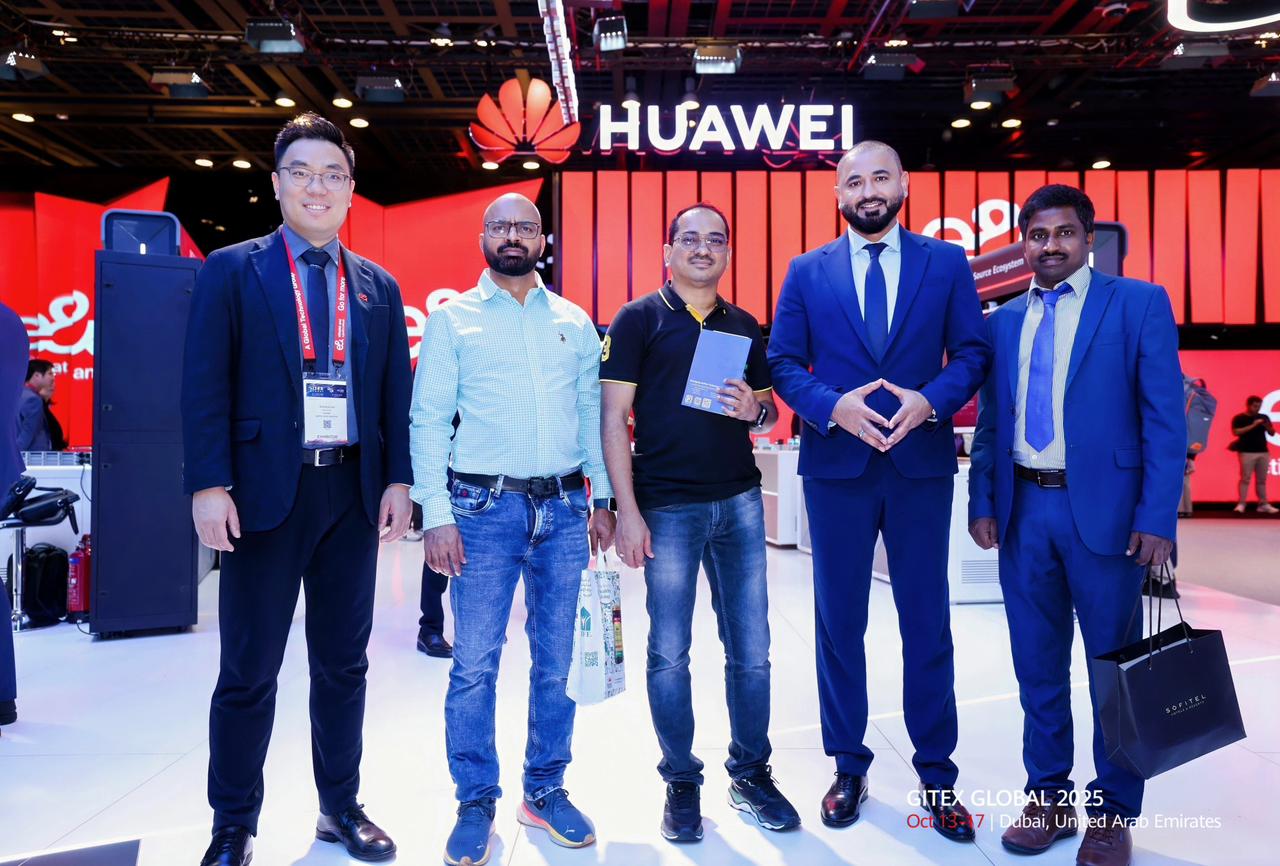
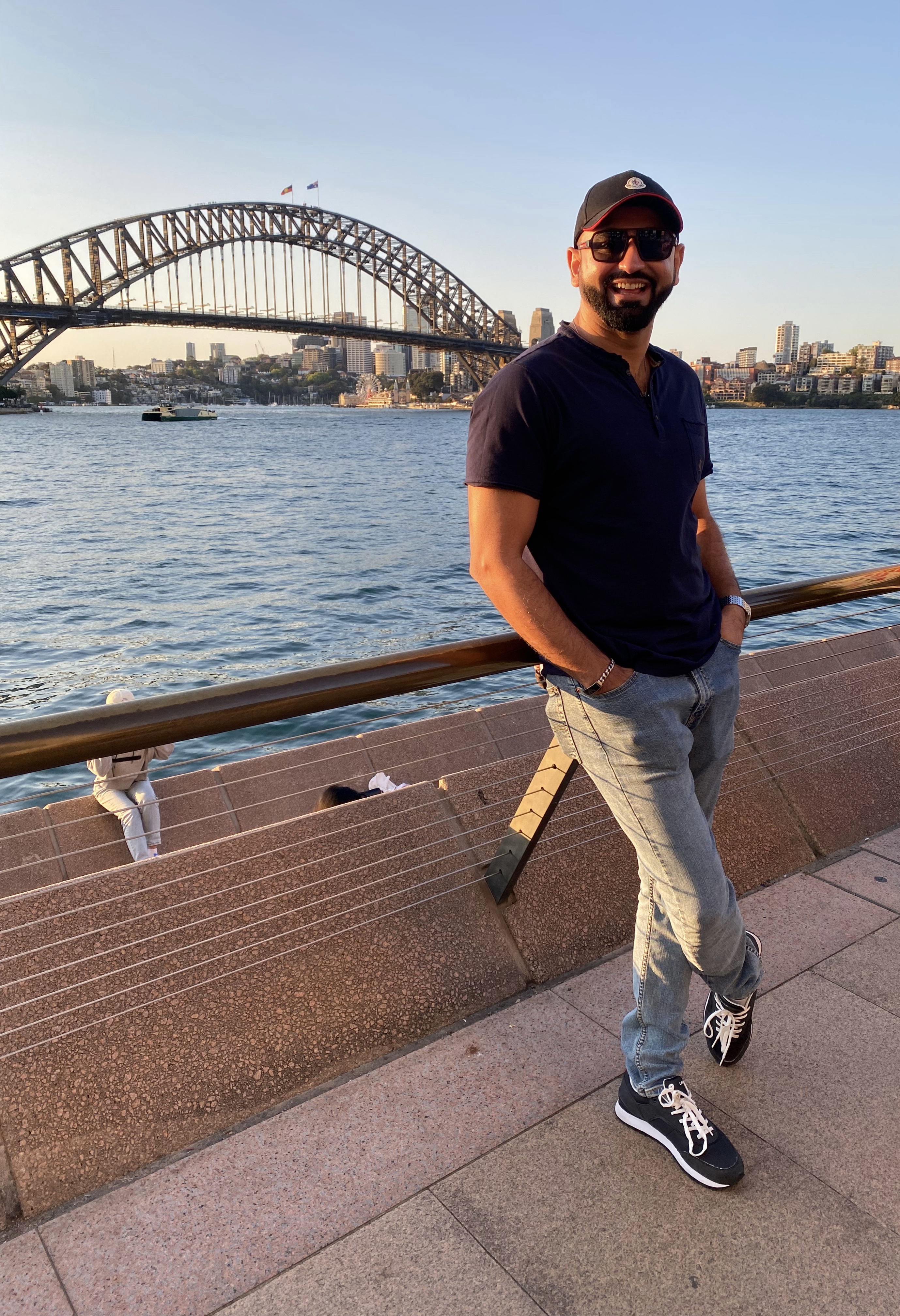
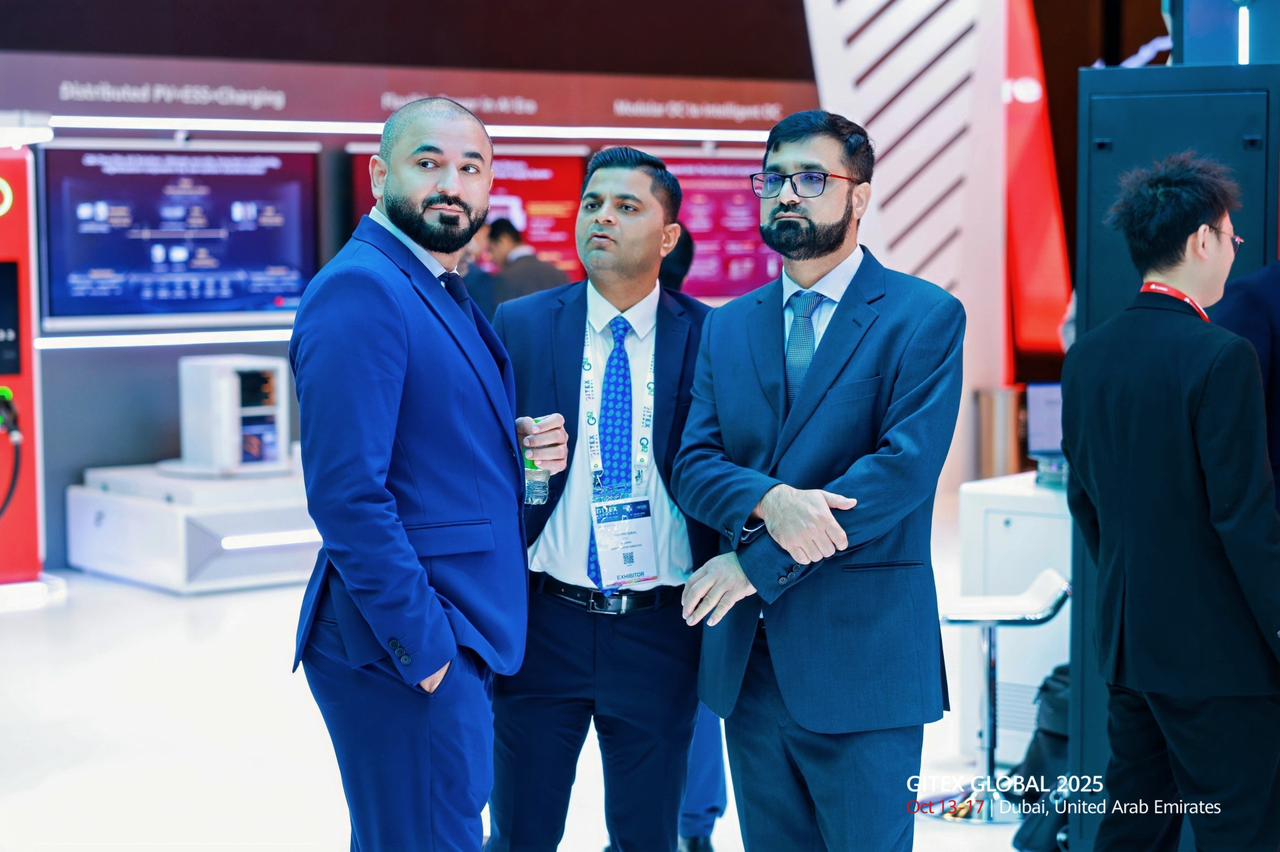
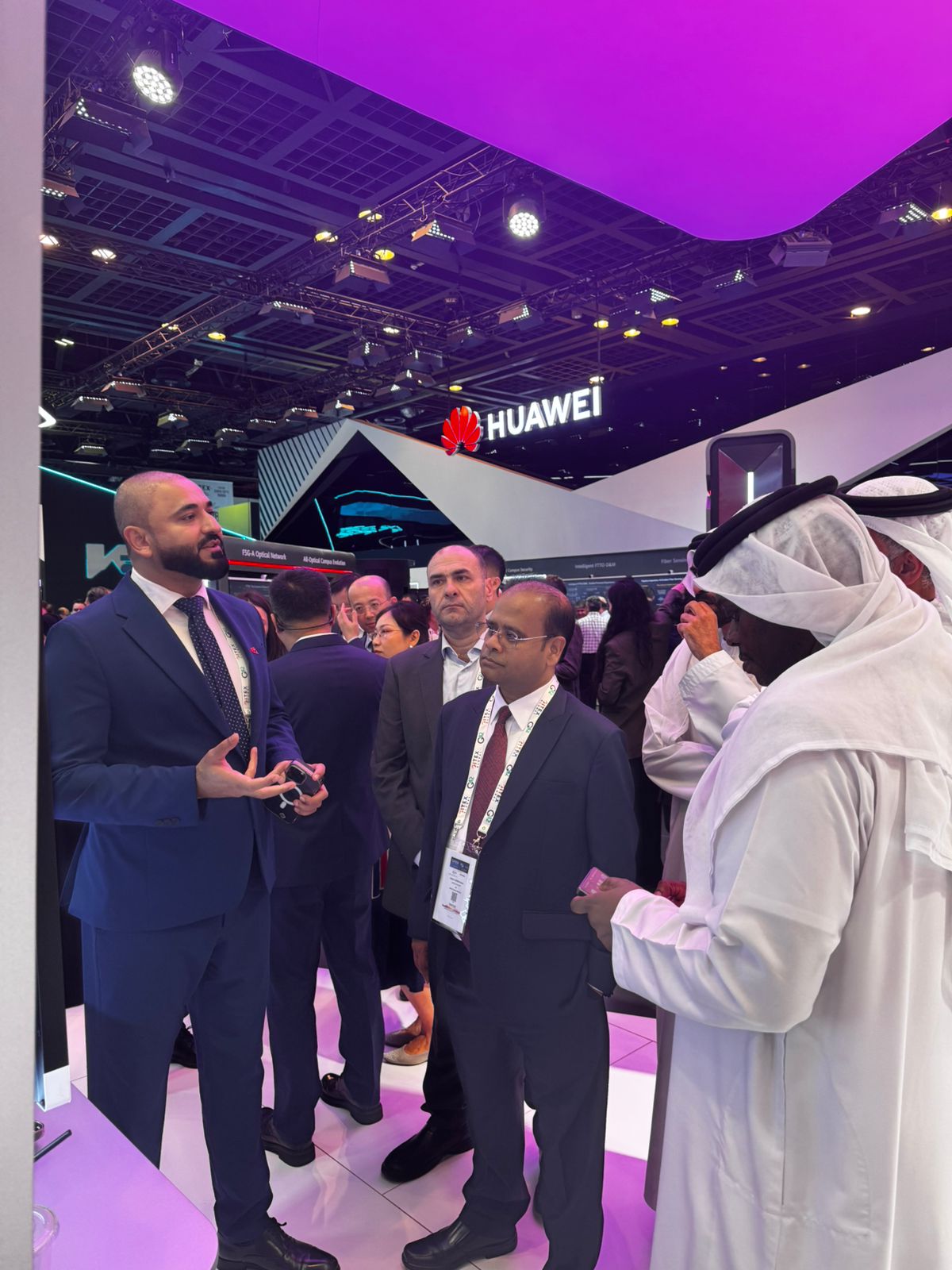
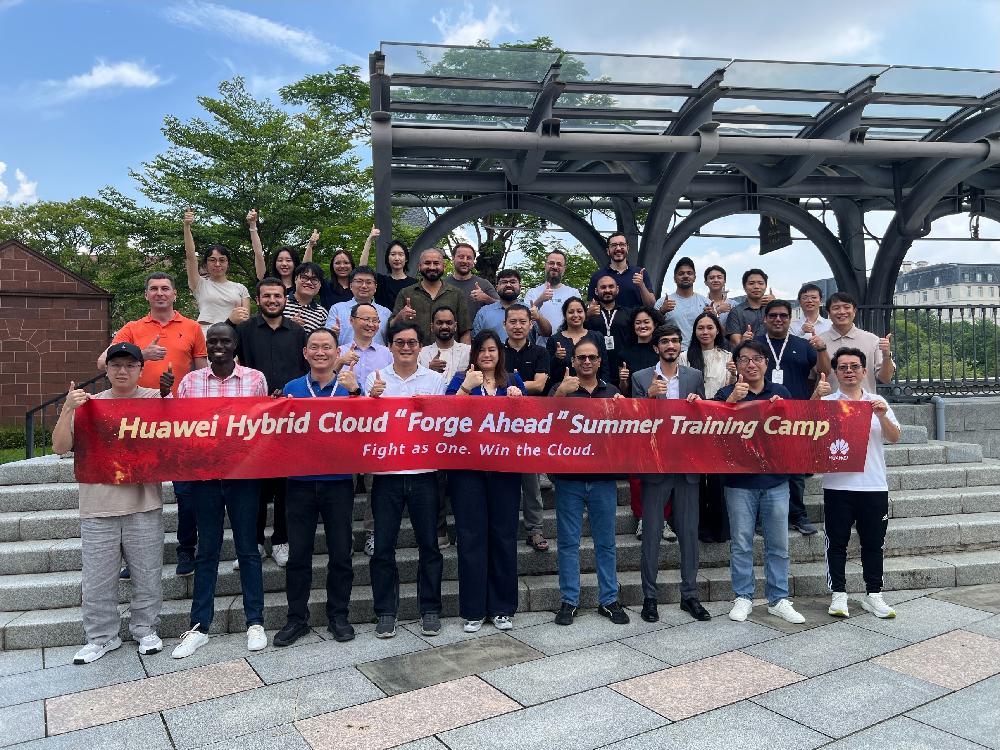
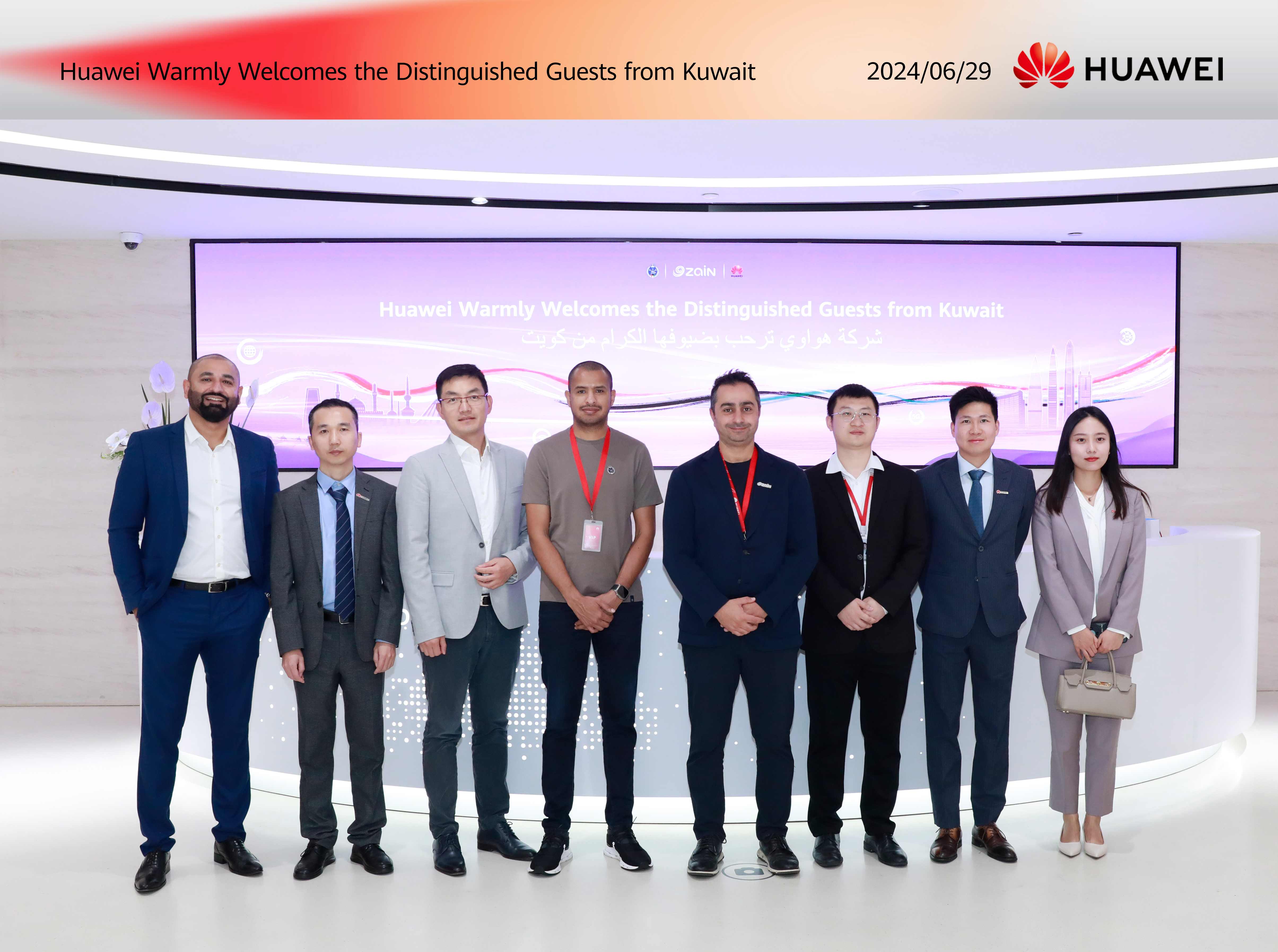
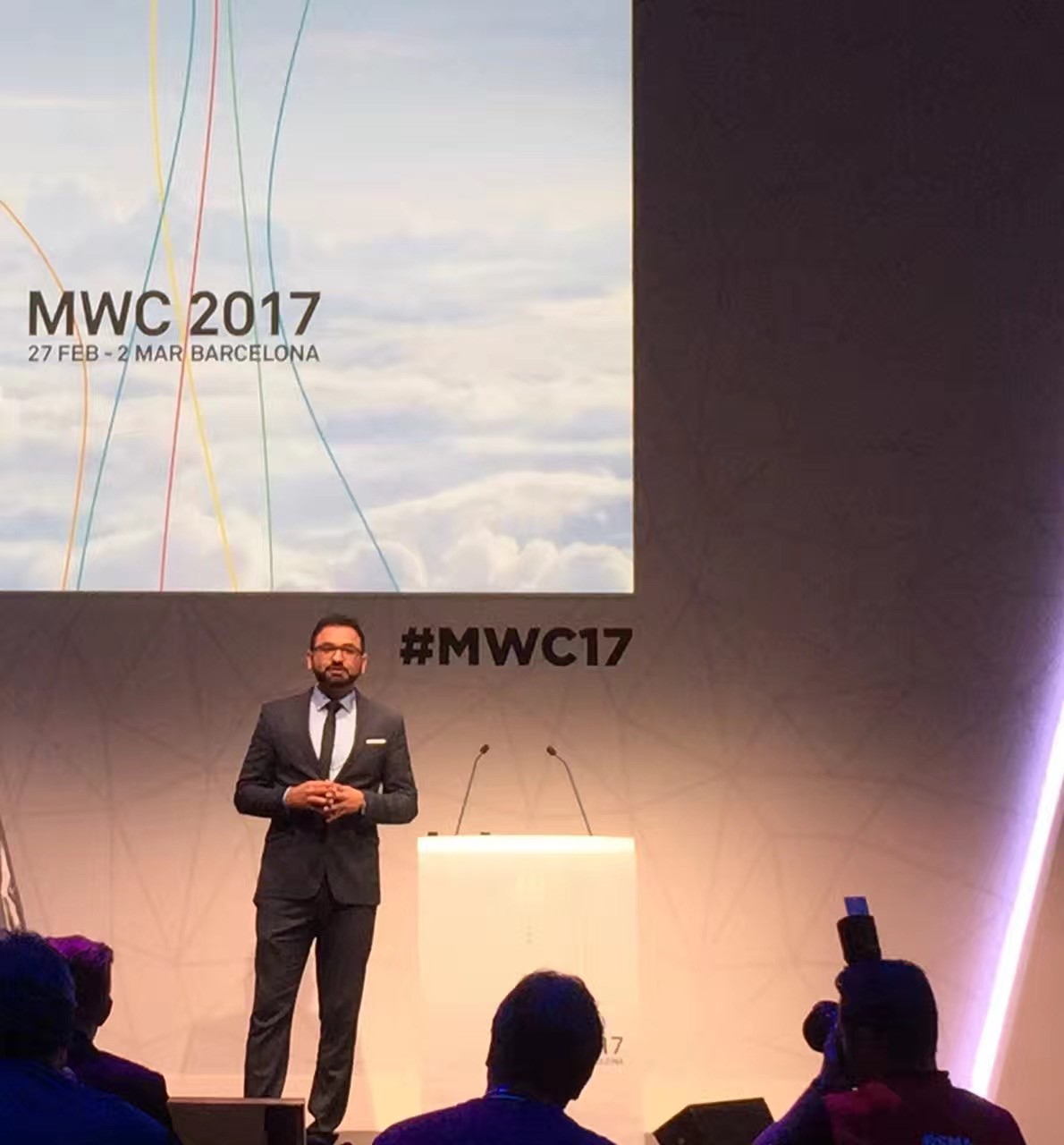
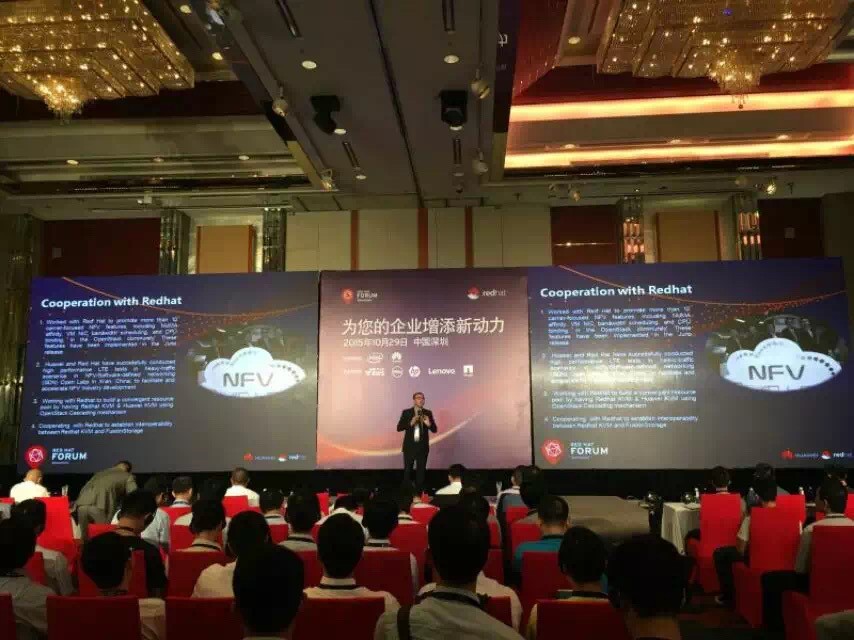
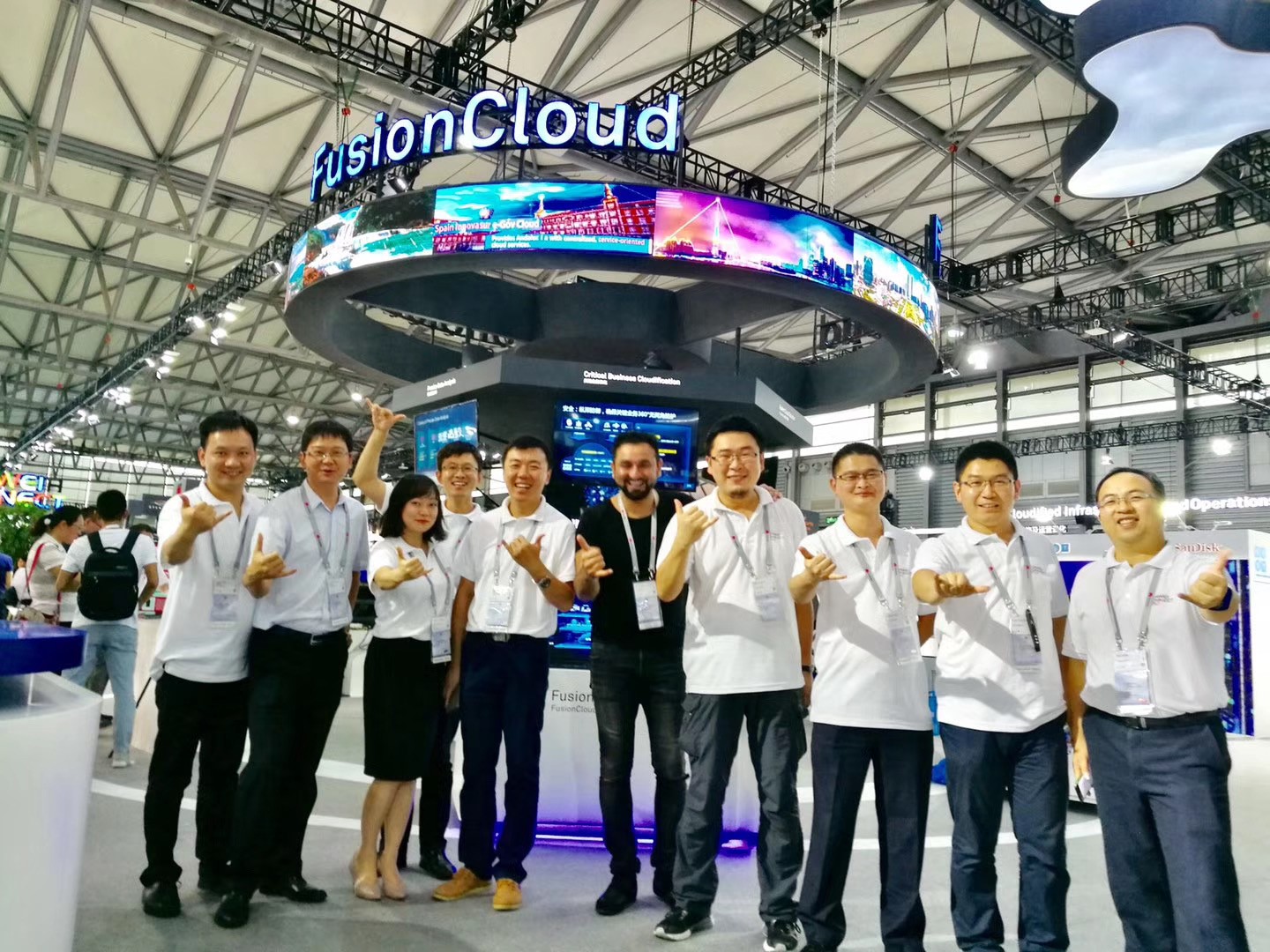
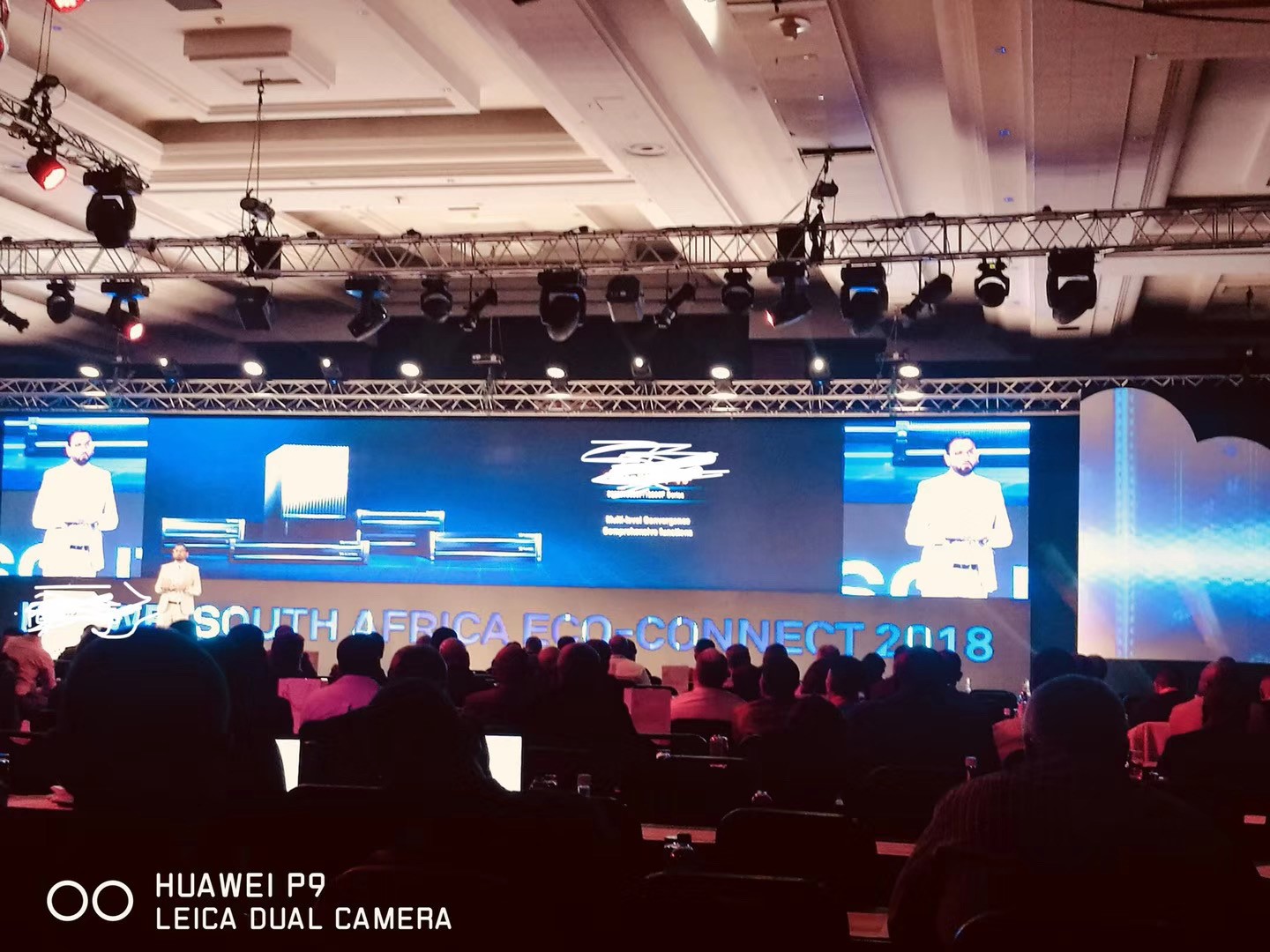
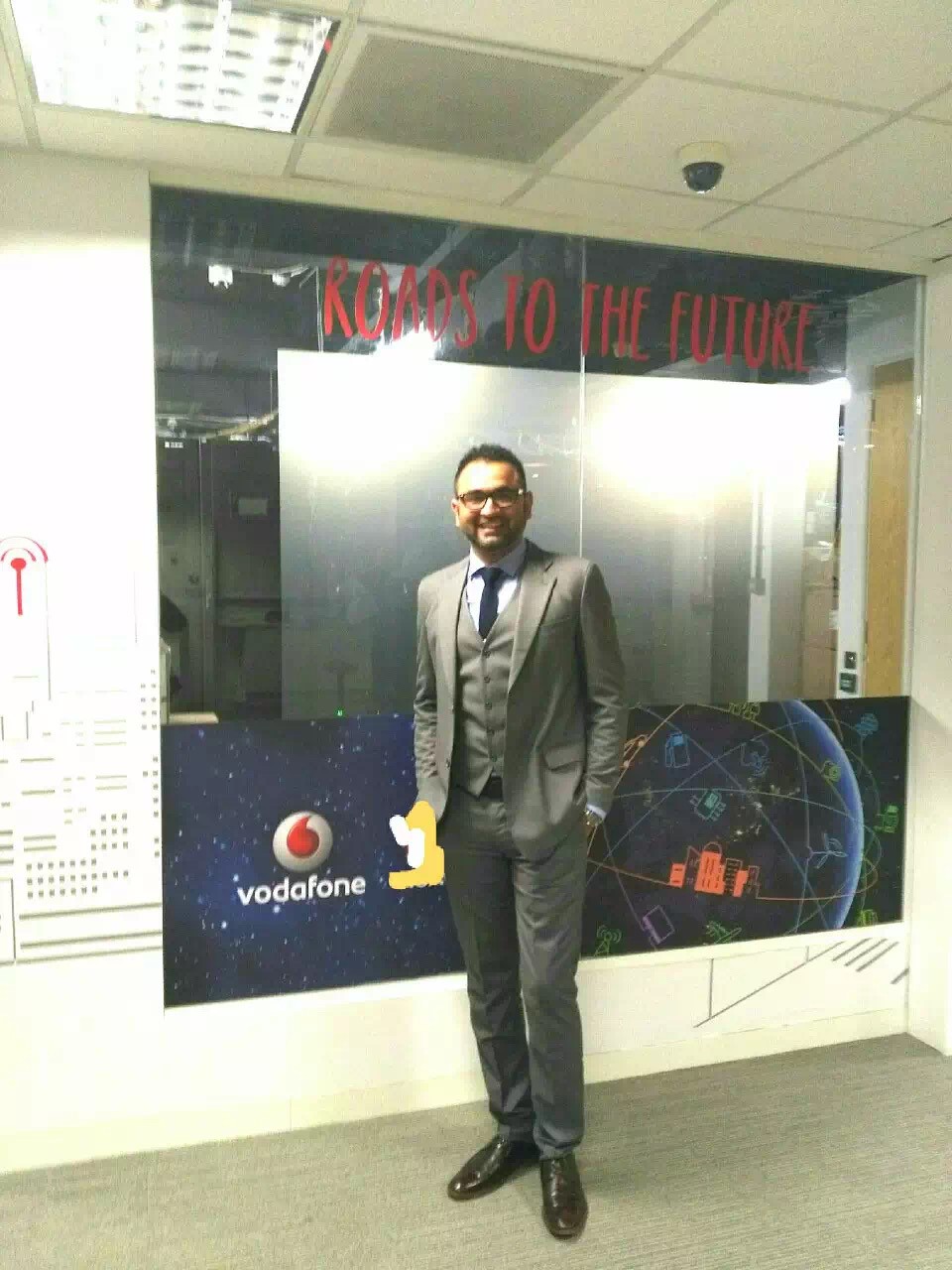
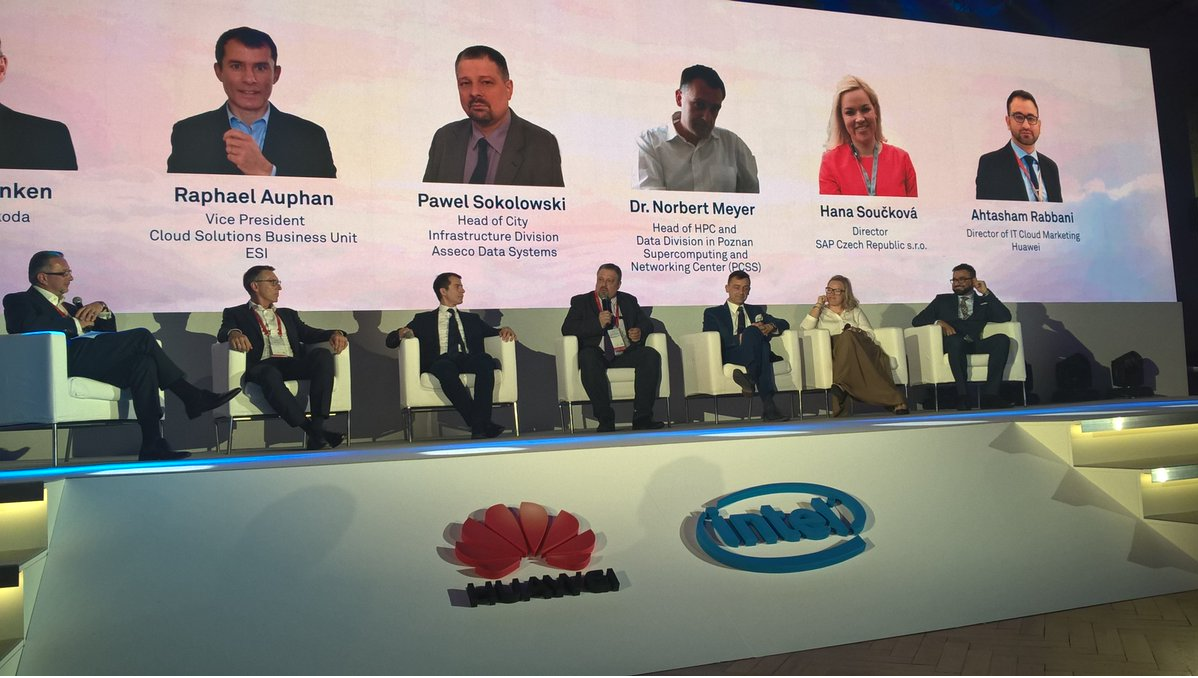
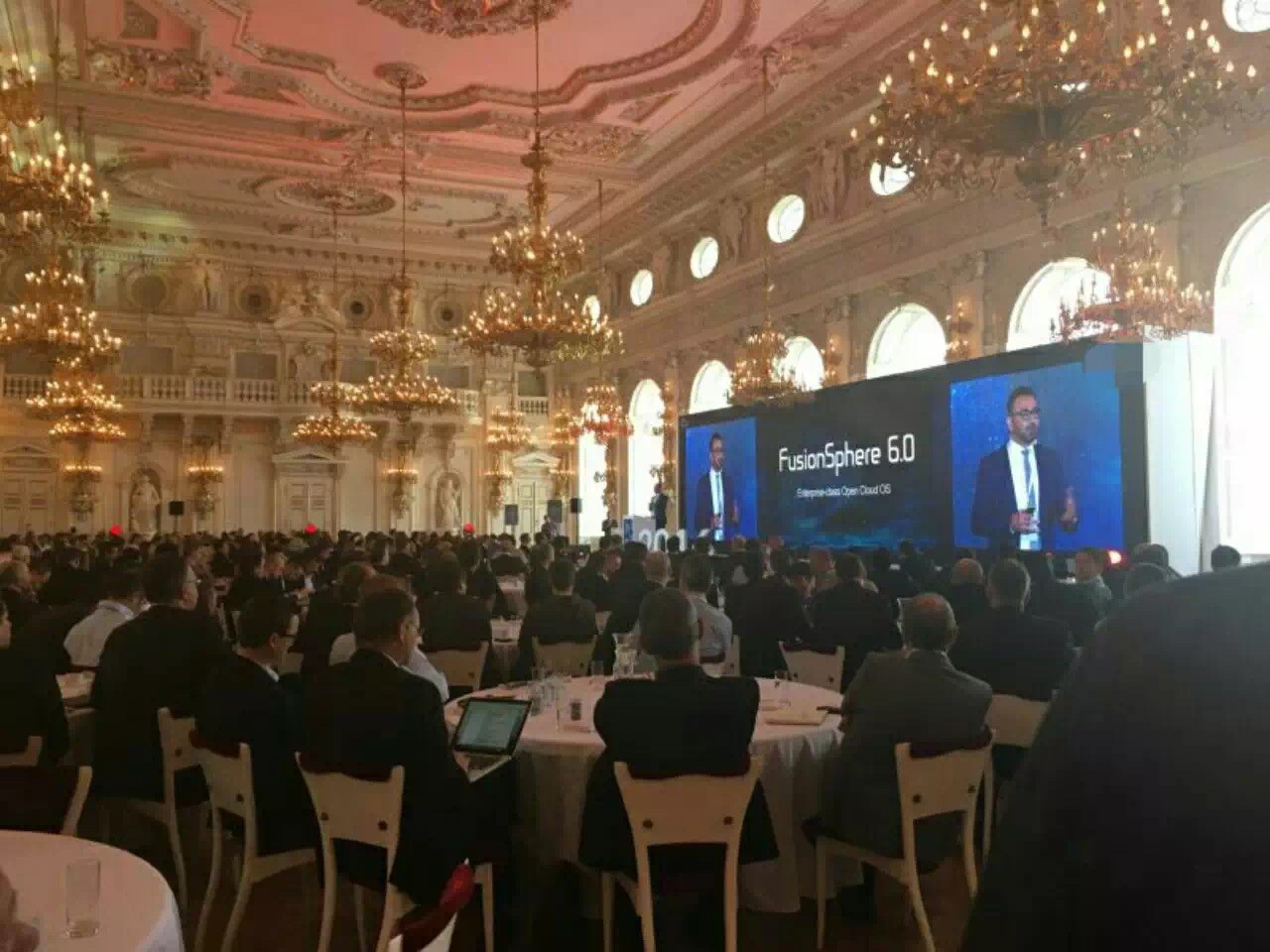
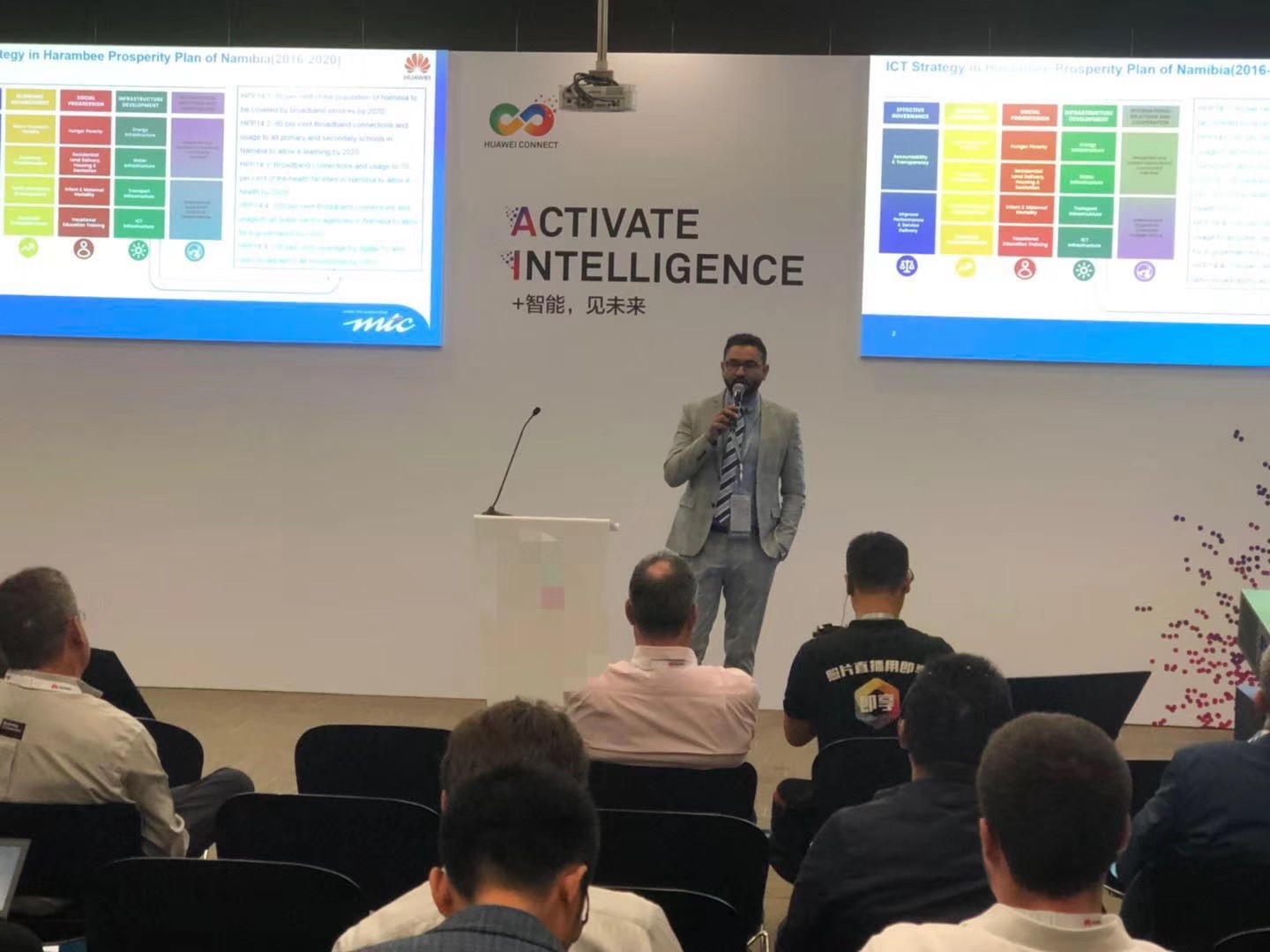
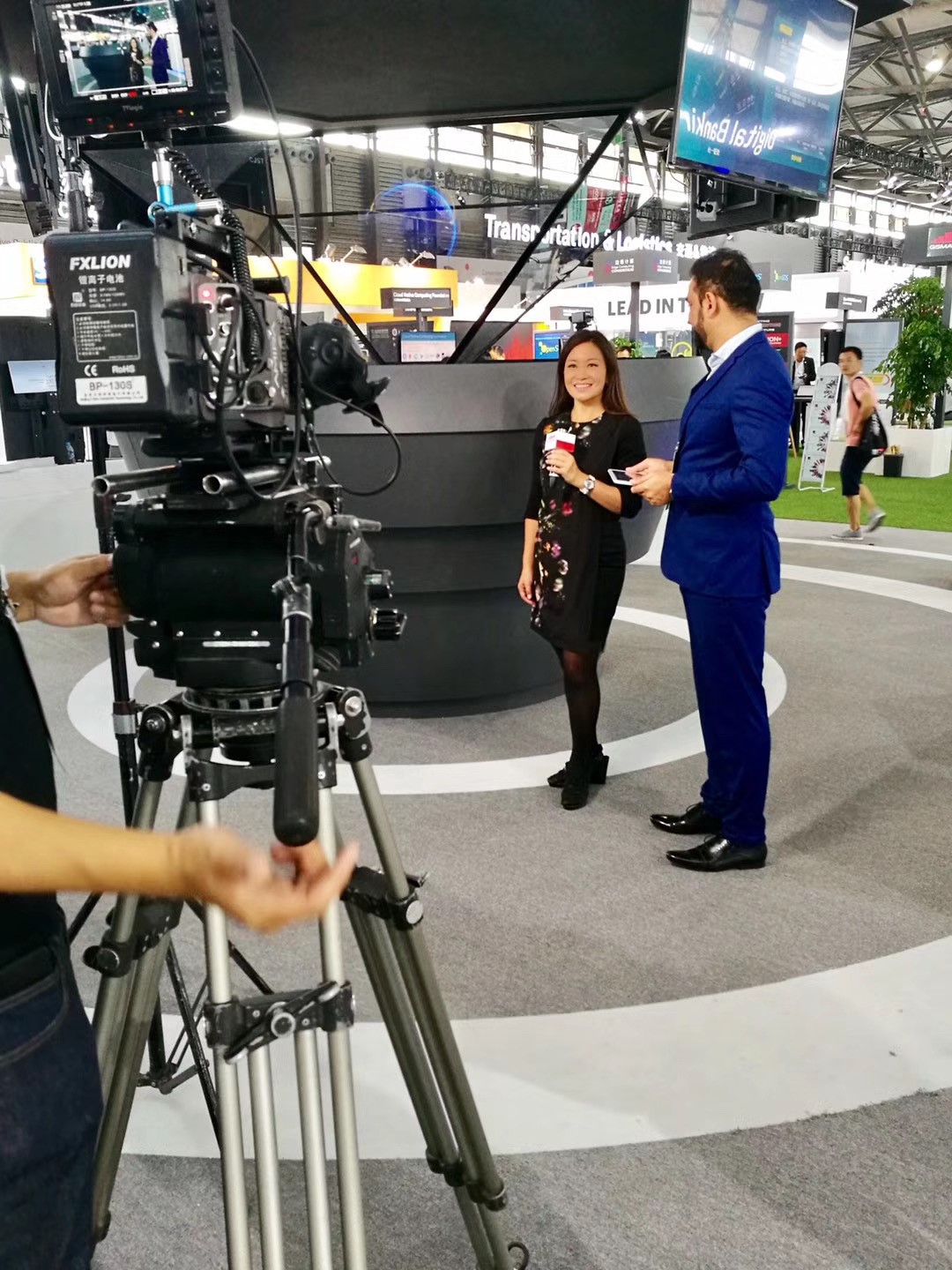
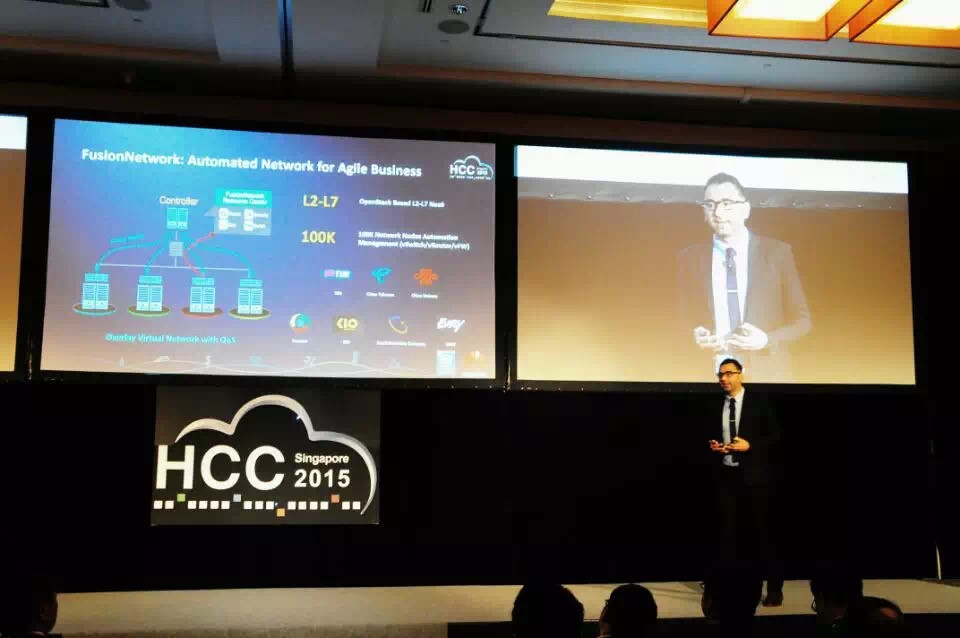
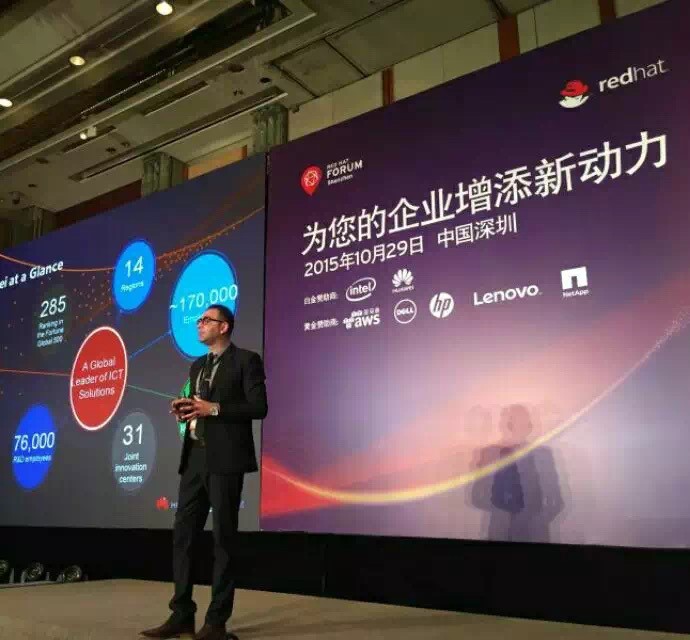
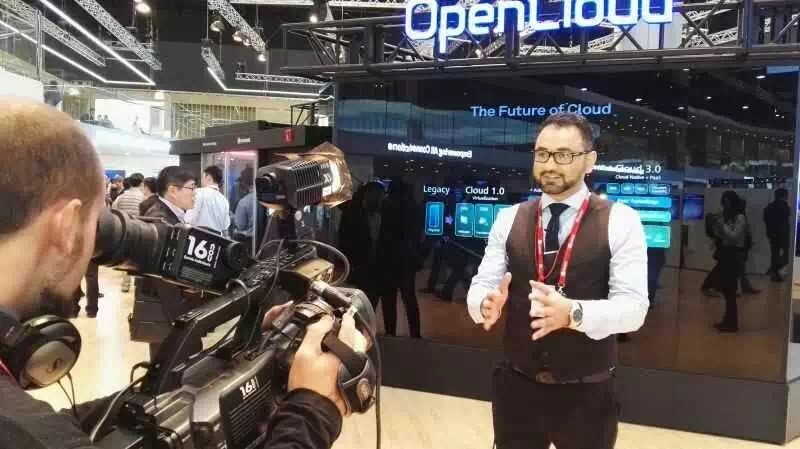
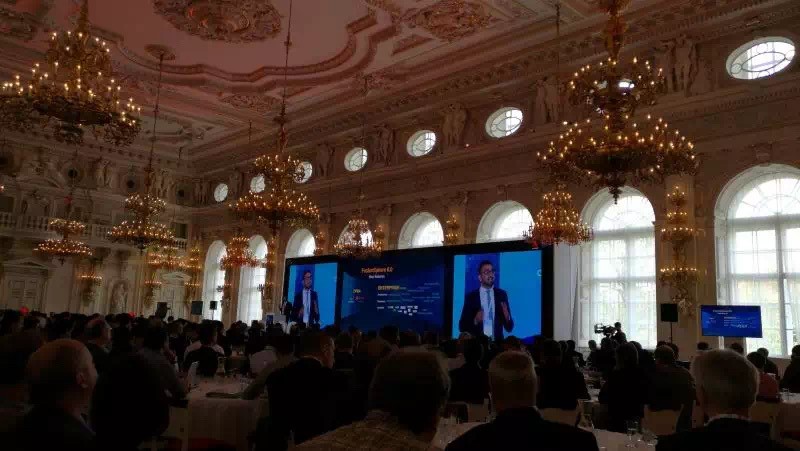
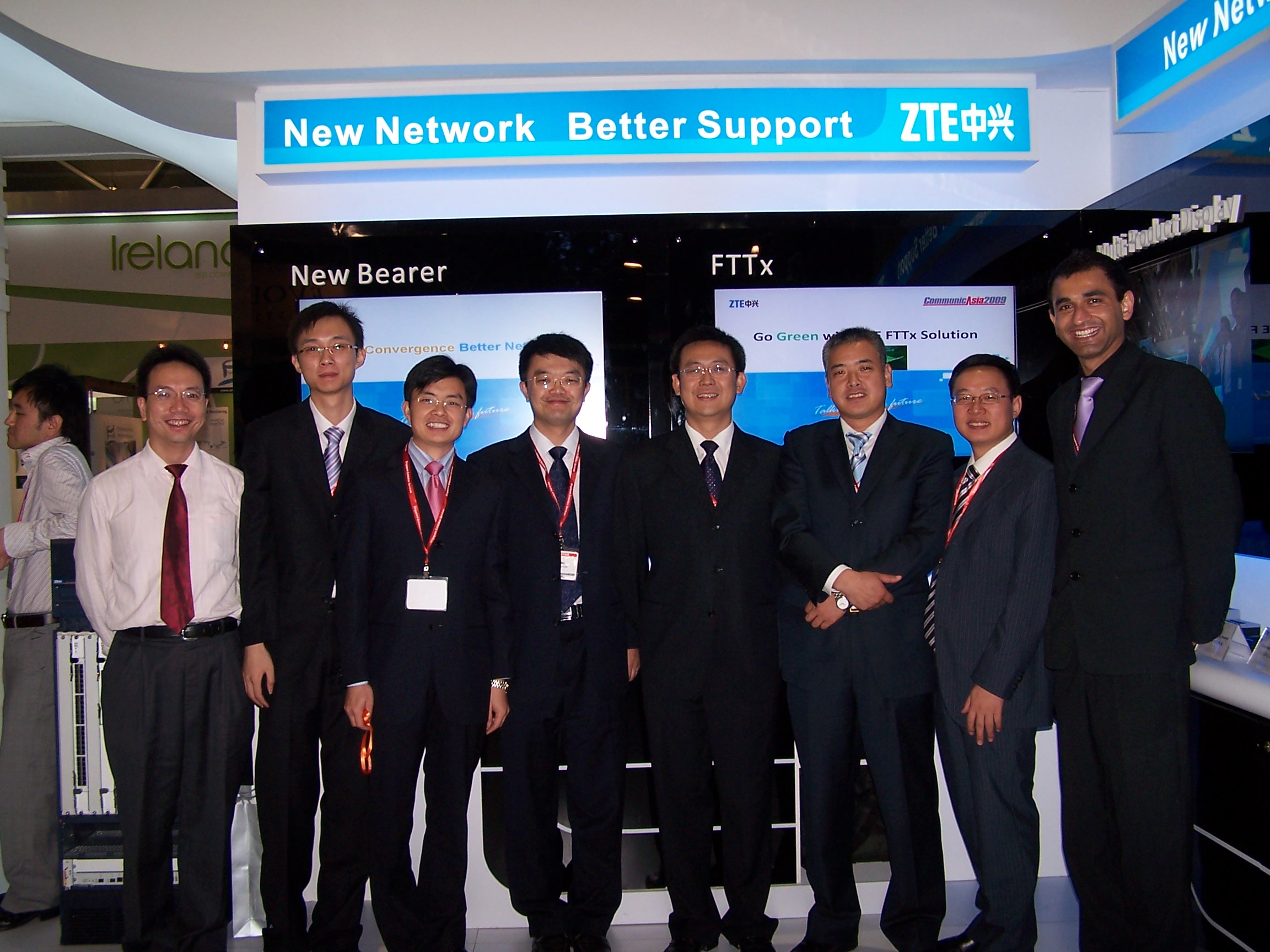
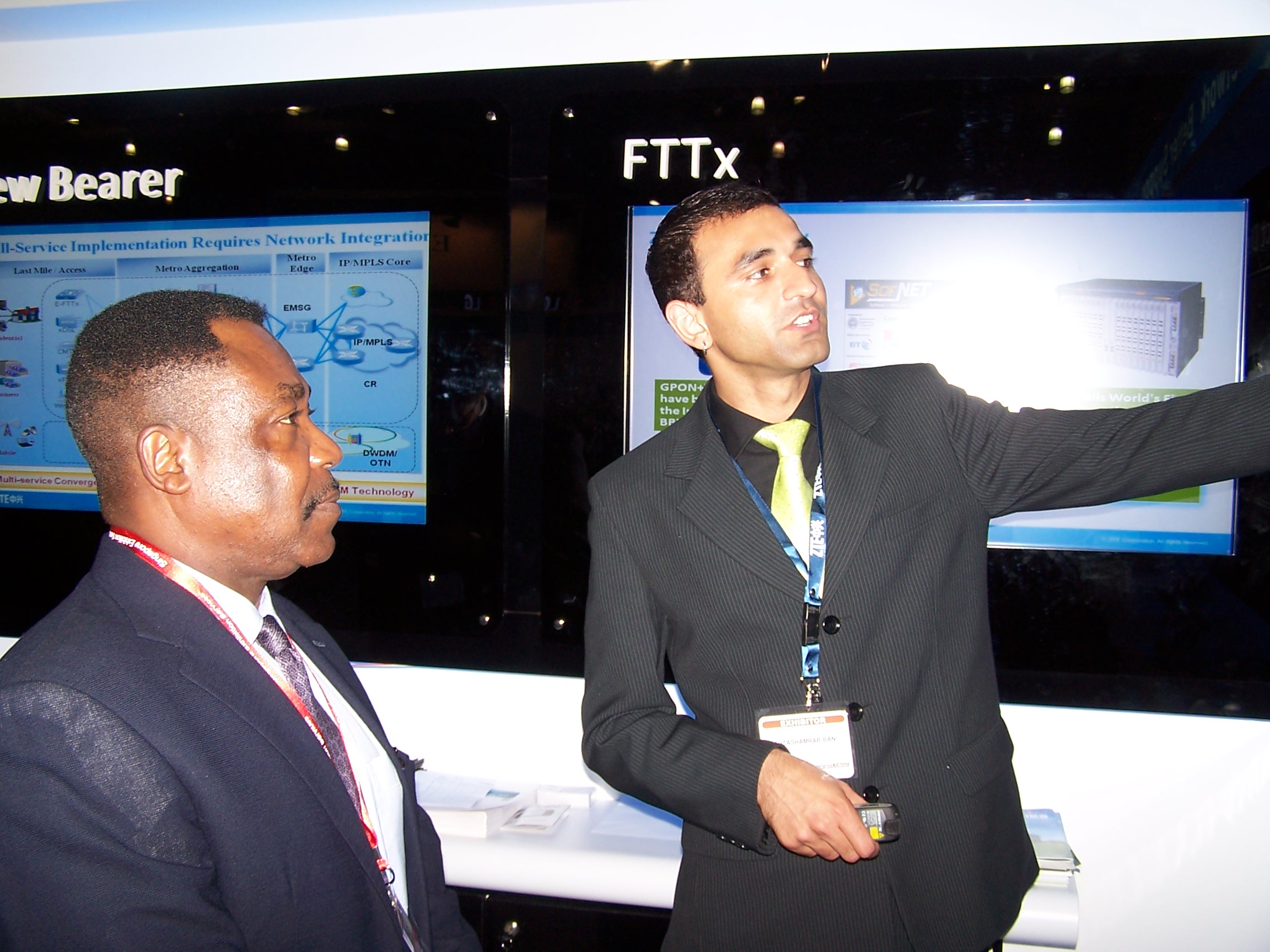
Eighteen years doesn't fit in a timeline, so here are the moments instead, keynotes, launches, customer workshops and forums, from Shenzhen and Singapore to London, Prague and Barcelona.


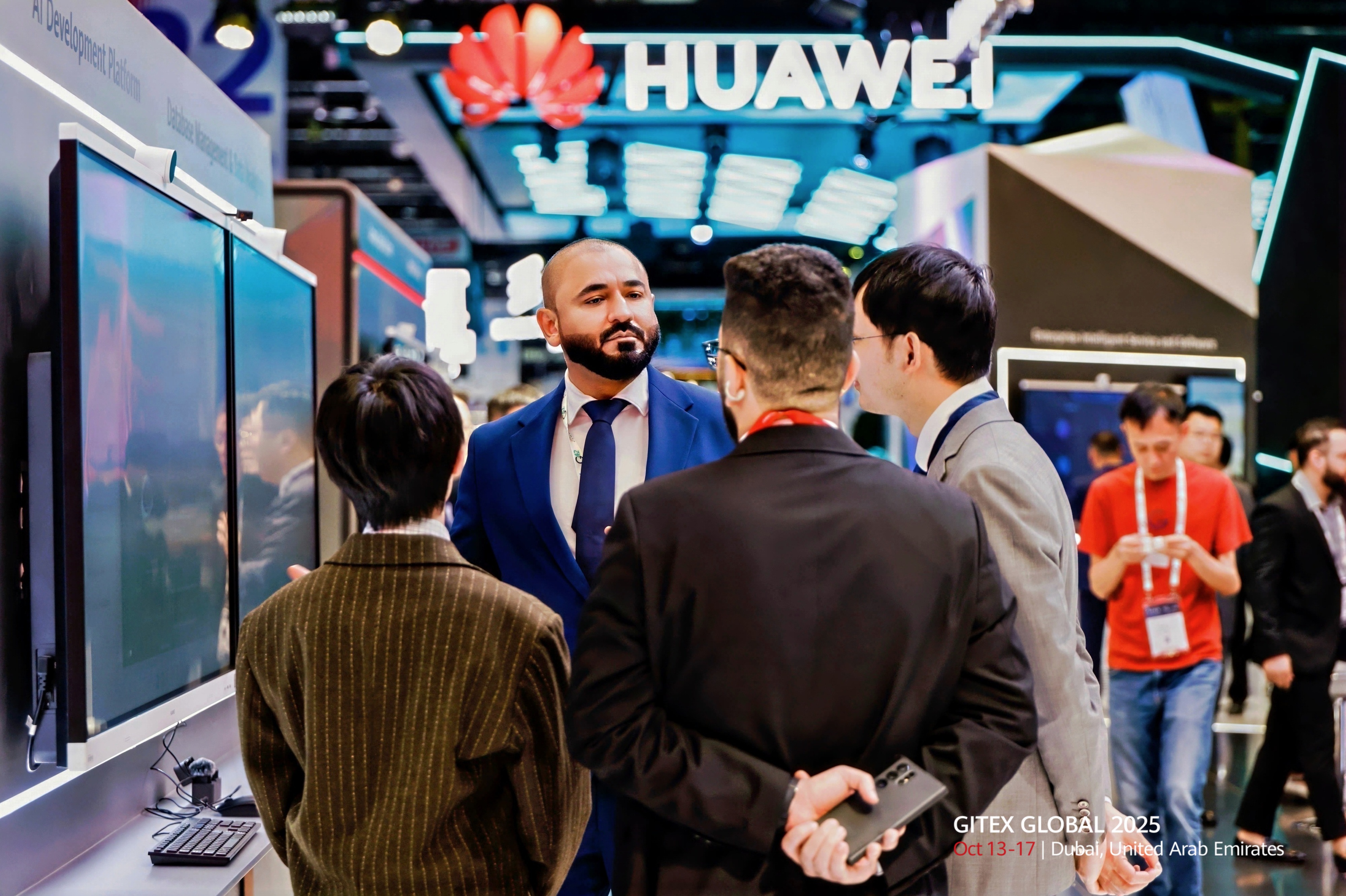
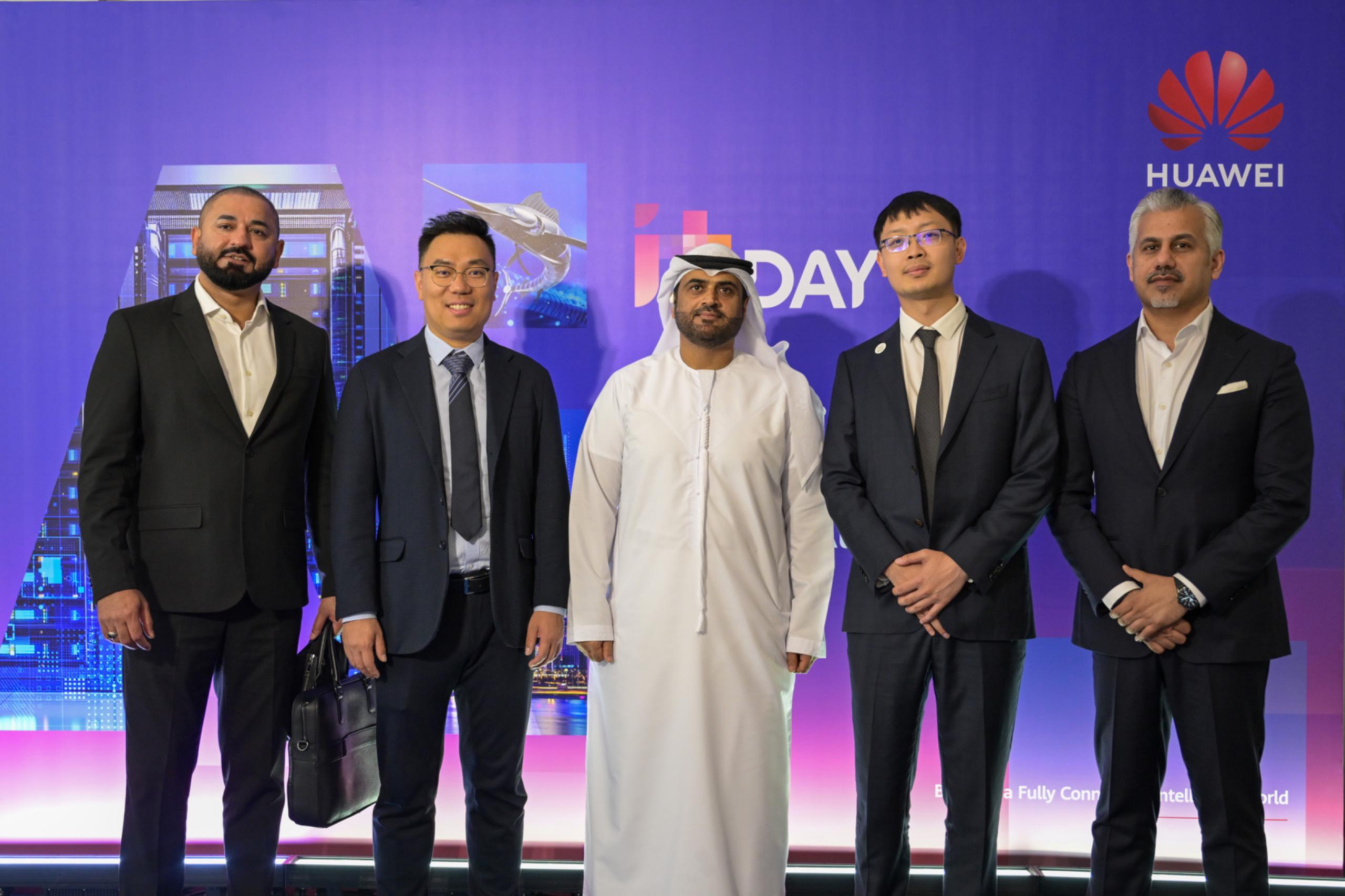
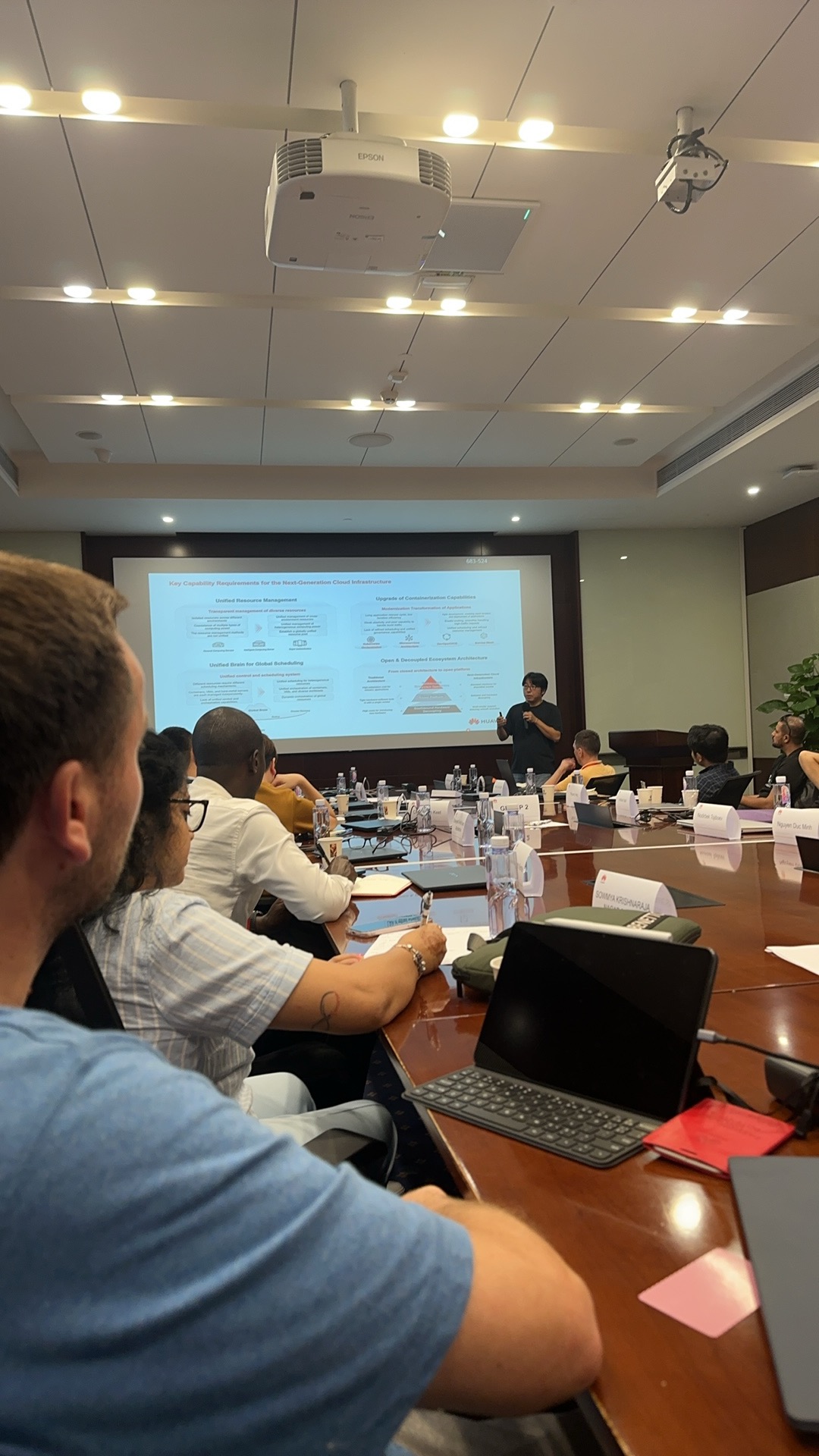
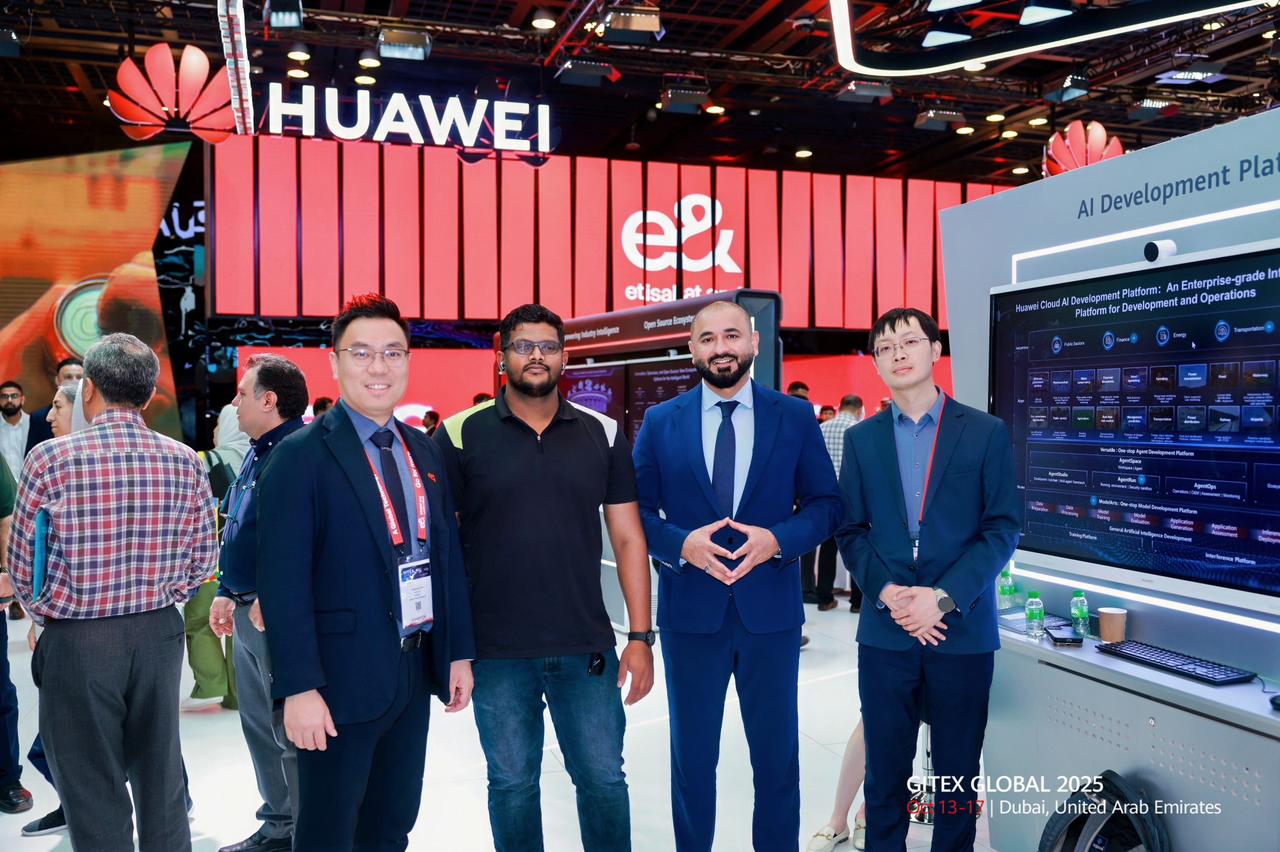
// Moments from a career across Dubai, Abu Dhabi, Shenzhen, Singapore, London, Prague and Sydney.
Anthropic · 2026
Amazon Web Services · 2026
Microsoft · 2026
Huawei Technologies · 2022
Cisco · 2009
Allama Iqbal Open University, Islamabad, Pakistan · 2004
If you're working on something involving cloud strategy, AI, or a big transformation and want to talk it through, I'd genuinely like to hear about it. Email is the surest way to reach me.